Tuesday, April 7, 2009

Peace, Love, Reggae, and American Music


Reggae and its Influence on American Music

During the 1960’s and 70’s America and the world was swept up by a new music genre that was very different from anything anyone had heard before.  This new style of music had a very exotic flavor to it and broke many of the “rules” enforced by many of the popular American acts during that time. The new genre, called reggae, combined the popular Jamaican styles of ska and rock steady to create a totally independent and powerful sound.

Reggae music flipped musical norms of the time by switching the roles of the bass guitar and the rhythm guitar; gone was the lead guitar and in it’s place was the bass. This new style also emphasized the 2nd and 4th beats in a measure instead of the 1st and 3rd beats often heard in popular rock n’ roll music. Aside from guitars, reggae music often times also featured a very distinct horn section with a percussion accompaniment and unique and complex vocal arrangements. This new style took America by storm and forever influenced the American music soundscape. 

Sources: History of Jamaican Music: http://niceup.com/history/ja_music_59-73.html

A Brief Summary of Jamaican Music: http://www.scaruffi.com/history/reggae.html

Reggae Music 101: http://worldmusic.about.com/od/genres/p/Reggae.htm 

Image Taken From: http://i.ehow.com/images/GlobalPhoto/Articles/2102432/howtoappreciatereggae-main_Full.jpg

Project Motive

In this playlist I will first lay the foundation of reggae music for the listener to appreciate. Next I will give the listener some artists that have defined the genre and have remained important figures in the musical community. Lastly, I will suggest songs and artists that have used reggae music as a guide and have taken that framework and have put an entirely new spin on the genre and American music in general. Throughout the playlist I will be making my case for each song and its importance in this relatively new musical genre and how that song impacts the musical community and the American soundscape as a whole. 

Playlist

1."Do the Reggay"- Toots and the Maytals
2."Hold Me Tight"- Johnny Nash
3."Israelites"- Desmond Dekker
4."Red Red Wine"- Neil Diamond
5."Ob-la-di, Ob-la-da"- The Beatles
6."Jamming"- Bob Marley and the Wailers
7."I Shot the Sheriff"- Bob Marley and the Wailers
8."Ku Klux Klan"- Steel Pulse
9."Hello Bonjour"- Michael Franti and Spearhead
10."Wrong Way"-Sublime
11."Santeria"-Sublime
12."Bats in the Belfry"- Dispatch
13."Open Up"-Dispatch
14."Amber"- 311
15."Love Song"- 311
16."About Mr. Brown"- O.A.R.
17."I Shot the Sheriff"- Eric Clapton
18."No Need to Worry/ Three Little Birds"- Keith Frank & Soileau Zydeco
19."Baby, I Love Your Way"- Big Mountain
20."King Without a Crown"-Matisyahu
21."Welcome to Jamrock"- Damien Marley
22."Love is My Religion"- Ziggy Marley
23."Marcus Garvey"- Burning Spear
24."Wavin' Flag"- K'naan
25."Roots, Rap, Reggae"- Run DMC

"Do the Reggay"- Toots and the Maytals

Title of Disc- The Very Best of Toots & The Maytals
Record Company- Music Collection International
Catalog Number- MCCD 332
Date of Publication- 1998 

It is tough to define a specific moment in time in which reggae music was born, but there isn't a better place to start than with the band Toots & the Maytals. The band stems from Jamaica and are most famous for their ska music (a more uptempo and faster paced version of reggae) and for defining this new genre.  Their song "Do the Reggay" gave this new genre it's name. The song features a very strong bass line  as well as several other instruments that have become a mainstay in the genre. While reggae music was being made in Jamaica a few years before The Maytals' song hit it big, this was the first time that this new, slower style of play was given a name and therefore differentiating themselves from other styles such as ska and rocksteady. 


Sources: The origins of ska, reggae, and dub music: http://www.potentbrew.com/skaregdu.html

"Hold Me Tight"- Johnny Nash

Title of Disc- Hold Me Tight
Record Company- JAD
Catalog Number- JS 1207
Date of Publication- 1968

During the late 60's and early 70's there began a reggae boom of sorts. Several artists began dabbing into the new reggae genre and introducing this musical style to the American people. One of the first reggae songs to take America by storm was "Hold Me Tight" by Johnny Nash. Like a lot of early reggae songs the song features a very simple walking bass line and the lyrics are focused on women and love. 


Sources: A brief summary of Jamaican Music: http://www.scaruffi.com/history/reggae.html

"Israelites"- Desmond Dekker


Title of Disc- The Harder They Come
Record Company- Mango
Catalog Number- 258 101
Date of Publication-  1972

Desmond Dekker is another one of the first artists to have a hit reggae song in America. The song was very different from anything else on the radio during that time and became an instant hit for Dekker. "Israelites" ranks up there with only a handful of songs that helped bring reggae music to America and added yet another sound to the vast American soundscape. 


Sources: The origins of ska, reggae, and dub music: http://www.potentbrew.com/skaregdu.html

"Red Red Wine"- Neil Diamond

Title of Disc- Red Red Wine/ Red Rubber Ball
Record Company- Metronome
Catalog Number- J775
Date of Publication- 1968

Neil Diamond is a famous American songwriter that tried to create his own reggae sound. His song "Red Red Wine" features a heavy bass line and guitar style that is notorious for being a reggae sound. His song has been covered several times by numerous reggae acts (most famously the UB-40 cover version) and shows how reggae is not just a style of Jamaican music anymore; that American artists can create a reggae sound as well. 


Sources: A brief summary of Jamaican music: http://www.scaruffi.com/history/reggae.html

"Ob-la-di, Ob-la-da"- The Beatles

Title of Disc- Ob-la-di Ob-la-da
Record Company- Apple Records 
Catalog Number- NZP 3318
Date of Publication- March 1969

If there was one band that tried their hand at every genre imaginable it would be The Beatles. The Beatles took the world and America by storm and their song "Ob-la-di, Ob-la-da" was their take on the booming reggae musical scene. This song is quite different from many of the other reggae songs that were coming out in the late 60's. The song really is a pop song with a reggae twist and marked for one of the first times that a popular group took reggae music and pop music and combined the two to create an entirely unique sound. It is difficult to call this song either a reggae song or a pop song because of how the song is constructed and how really both genres are prevalent in the music. Yet it is important to note that The Beatles were a very popular group in America and for a group of their stature to try reggae, it showed how much of an impact reggae was having on the music communities and that reggae music was here to stay. 


Sources: Reggae [Relation to Rock & Roll]; Richie Unterberger; All Music Guide

"Jamming"- Bob Marley & the Wailers


Title of Disc- Jamming/ Punky Reggae Party
Record Company- Phonogram
Catalog Number- 9199 447
Date of Publication- 1977

If there was one artist that changed the reggae genre and made it what we know it as today, then it would be Bob Marley & the Wailers. Bob Marley and his band are without a doubt the most famous reggae artists in the world and are famous not only in reggae music circles, but in the music industry as a whole. Their song "Jamming" accurately defines what a reggae song is. There is a very sick and heavy bass line that takes the place of a lead guitar, a trademark of the genre, and lyrics that express an easy going attitude with subtle political and religious undertones. 

For many of the reggae performers their music has been an outlet to express their feelings and beliefs especially their political and religious ones, yet the emergence of Bob Marley's stardom really brought this other side of the reggae movement to the forefront. The rasta religious movement and the social problems of Jamaica were prevalent in the music of Bob Marley and thus as his name began to grow, the problems he spoke about began to receive more attention as well. With Bob Marley emerging in America as a bone-fide star, it marked a shift in the genre. The overly happy reggae songs of the late 60's and early 70's were gone and now marked a period of social justice songs and ones with very political and religious undertones. Bob Marley paved the way for many of the popular reggae acts of today and without him the genre would be nothing like it is today. 


Sources: A brief summary of Jamaican music: http://www.scaruffi.com/history/reggae.html

Bob Marley's Website: http://web.bobmarley.com/index.jsp

"I Shot the Sheriff"- Bob Marley & the Wailers

Title of Disc- Legend- the Best of Bob Marley & The Wailers
Record Company- Island Records
Catalog Number- 790169-2
Date of Publication- 2002

This is another Bob Marley song and one that has very obvious political overtones. Musically the song aligns very closely with the reggae style but it is the lyrics that make this song special. He talks about the death of a government official and the fine line between protecting oneself from blatant racism, and murder. During the time when this song was popular America was going through a social uprising and was fighting against racial injustice and prejudice. This song could be seen as a call for equality and that is one of the reasons why Bob Marley was so popular during this era. 


"Ku Klux Klan"- Steel Pulse

Title of Disc- Handsworth Revolution
Record Company- Island Records
Catalog Number- 9123 032
Date of Publication- 1978

As the title suggests this song is about the hate group the Ku Klux Klan. This song features very powerful lyrics about the pure hate that the Klan member have towards people of color, but throughout the song there is a sense of unity between people of color and to fight the violence with peace. This song is along the same lines as several Bob Marley songs. There is a very powerful political message in the song and one that people in America both recognized and respected. While Steel Pulse never reached the large audience that Bob Marley did, they still were very influential in reggae circles and are widely known as one of the best reggae acts of all time. 


Sources: Steel Pulse Website: http://steelpulse.com/news.php

"Hello Bonjour"- Michael Franti and Spearhead

Title of Disc- Yell Fire!
Record Company- Anti-
Catalog Number- 6807-2
Date of Publication- 2006

This song by the reggae artists Michael Franti and Spearhead serves as a good transition from the era of Bob Marley and Steel Pulse to the more modern era of reggae music. This song lyrically features a lot of the same themes that are prevalent in the classic reggae artists; themes such as love, equality, and peace for everyone. While lyrically the two eras are fairly close, musically the classic reggae era and the more modern era of today feature a few noticeable differences. The basic foundation of reggae music still remains the same in both eras, but, as this song emphasizes, the modern sound is much fuller and often times features several different types of instruments and sounds that just weren't around during the time of Bob Marley. Either way the song "Hello Bonjour" is great and provides a good stepping stone into how reggae music in America has changed over the last 20 years. 


"Wrong Way"-Sublime


Title of Disc- Sublime
Record Company- Limbo Records
Catalog Number- LIMBO 005
Date of Publication- 1992

For the remainder of the playlist I am going to be focusing more on some of the more modern reggae artists and some artists that are greatly influenced by the genre and that is noticable in their music. One of the artists that falls under that last category is the band Sublime. Sublime is an American punk rock band that uses a lot of different styles of music to create a sound that is uniquely theirs. Their song "Wrong Way" is a good example of how the reggae scene influenced their music. The song features a guitar and bass line that seems to be taken straight from a reggae record, but they use that "reggae" melody to create a punk rock song. 


"Santeria"- Sublime

Title of Disc- Sublime
Record Company- Gasoline Alley Records Inc.
Catalog Number- GASD-11413
Date of Publication- 1996

This is another song by the punk rock band Sublime. Much like their song "Wrong Way" this song features a groovy bass line and guitar playing. Of the two Sublime songs in this playlist, I feel that this one is closer to the "classic" definition of a reggae song. The melody of "Santeria" is much slower, and paced more like a reggae song, while the song "Wrong Way" undoubtedly has reggae traits but it does not line as close to the genre as "Santeria." With Sublime having some songs more reggae heavy and having other songs that are not, it shows how the reggae scene is evolving in America and how reggae music is migrating and transforming the popular music scene. 


"Bats in the Belfry"- Dispatch

Title of Disc- Bang Bang 
Record Company- Bomber Music
Catalog Number- B0003655-02 
Date of Publication- 1997

The band Dispatch from a small college town in Vermont, became an independent music phenomenon with their unique style of play and catchy songs. In many of their songs, like "Bats in the Belfry," there is a noticeable reggae influence. One trait that sets this song apart from many of the other songs influenced by reggae music is that not only does this song feature the typical reggae guitar and bass playing, but the song also features a strong brass instrumental section that was also typical of early reggae artists. 


"Open Up"- Dispatch

Title of Disc- Who Are We Living For?
Record Company- Bomber Music
Catalog Number- 000365902 
Date of Publication- 2000

Of all the Dispatch songs, the song "Open Up" sounds the most like a classic reggae song. There is a very simple melody and the tempo is slower, a common trait in reggae music. The song also speaks of social injustices and social issues another theme of reggae music. 


"Amber"- 311

Title of Disc- From Chaos
Record Company- Volcano 3
Catalog Number- 1888314
Date of Publication- 2001

The band 311 was one of the most popular American artists of the 90's and early 2000's. Their songs were very bass heavy and featured a lot of steel drum playing, a common instrument used in reggae bands. Their song "Amber" received a great deal of airplay and continues to be heard on the radio even to this day. This band helped bring reggae to a newer and younger generation that had only heard of the greats like Bob Marley and Steel Pulse, but had never actually witnessed a successful reggae artist that was successful both in reggae circles and in American popular music in general. The band continues to play today and have helped user in a new era of popular reggae music. 


Sources: Official Site: http://www.311.com/

"Love Song"- 311

Title of Disc- Greatest Hits '93-'03
Record Company- Legacy
Catalog Number- 7439072
Date of Publication- 2004

The song "Love Song" is another great example of 311's reggae sound. There is a prominent bass line with the guitar backing it up in normal reggae fashion. The lyrics are what make this song important in my mind. As the title suggests this is a love song and it is important to keep that in mind as love and women were an important theme in the reggae music scene. This shows that while the music may be evolving and changing the core values of the genre are basically untouched and still are very noticeable in the reggae scene. 

"About Mr. Brown"- O.A.R.

Title of Disc- Any Time Now
Record Company- Everfine
Catalog Number- 41123
Date of Publication- 2002

The band O.A.R. is an American rock band that creates music heavy influenced by many different genres of music. This song "About Mr. Brown" is one of their best attempts at creating a reggae sound. The song is not a reggae song, so that is a big difference between this song and the others I have covered in this playlist so far. While the song may not be a reggae song there are still elements of reggae in the music, elements such as the bass and guitar playing and the eccentric and loud brass section. This song is an important reminder that while a band may not be considered a "reggae" band they can still use reggae influences to create a "rock" sound. 

"I Shot the Sheriff"- Eric Clapton

Title of Disc- 461 Ocean Boulevard 
Record Company- Polydor
Catalog Number- 000363836
Date of Publication- 1972

At this point I am going back into time a little bit with the Eric Clapton version of the great Bob Marley song, "I Shot the Sheriff." From the time that reggae hit the shores of America there were a great number of American artists who began to cover many of the reggae classics. Eric Clapton, widely recognized as one of the greatest guitar players to play, covered the Bob Marley song and again put reggae music back into the American music scene. The Clapton version of the song doesn't have many of the melodies and tendencies made popular by reggae music, but for such a famous and well known musician to cover a reggae song just as the genre was picking up steam, it made known that reggae music was in America and there to stay. 

"No Need to Worry/ Threee Little Birds"- Keith Frank & the Soileau Zydeco

Title of Disc- Ready or Not
Record Company- Shanachie
Catalog Number- 9023
Date of Publication- 2000

Keith Frank and his band are from Loiusiana and they together create a distinct and unique sound. They consider themselves to be world musicians and thus they perform many different types of songs and use interesting instruments. In this song "No Need to Worry/ Threee Little Birds" the band covers the famous Bob Marley song and in doing so they take a reggae song and make it their own. Absent from the song are the heavy bass line and catchy guitar riffs and in their place is an accordion and a unique French Creole sound. Similar to the way Eric Clapton put his own trademark on a Bob Marley song Keith Frank does the same thing. This shows that reggae music not only affected mainstream American music, but that it also affected distinctly regional music as well. Proving once again that reggae music has had a huge affect on many facets of the American music soundscapes. 


Note: I wasn't able to find a complete version of this song online, but I can get a complete version to anyone who wishes to hear one.

Sources: Keith Frank's Webpage: http://www.keithfrank.com/kf.html

"Baby, I love your Way"- Big Mountain

Title of Disc- Best of Big Mountain
Record Company- Flashback
Catalog Number- 24720
Date of Publication- 1999

This track is a cover version of the popular Peter Frampton song sung by the reggae band Big Mountain. I added this track to show that it was not just reggae songs that were being covered but that there were also reggae artists covering popular rock and pop songs. As reggae music became more mainstream there were groups such as Big Mountain that put reggae twists on popular music. When Big Mountain covered this song, the song took off in America and reached as high as number two on the American Billboard charts. The song contains a heavy reggae sound and a catchy riff that made it hard for the listener to not enjoy the music. The band Big Mountain was basically a one-hit wonder and never made it big in America again, but it just goes to show that reggae music can not only influence other genres of music, but that it can also adapt to other popular genres as well.


Sources: Billboard Music: http://www.billboard.com/bbcom/index.jsp

"King Without a Crown"- Matisyahu


Title of Disc- Youth
Record Company- Epic
Catalog Number- 97695
Date of Publication- 2006

Moving back to the more modern reggae acts of today leads me to one of the most interesting and fresh faces of the modern reggae scene. Matisyahu is an American Hasidic Jew who just so happens to create reggae music. His song "King Without a Crown" is a great example of modern day reggae music. The song allies very closely to the roots of reggae music, but Matisyahu still adds a fresh and vibrant feel to the genre that is noticeable right from the beginning of the track. Another important thing to take note of is the message of the song. Matisyahu is a man of faith and like many of the reggae acts of old, Matisyahu talks about his religion a great deal in his music. The only difference being many of the "classic" reggae artists were rastafarian and Matisyahu is not, but either way faith played an important part in creating their music. 


Sources: Matisyahu World: http://www.matisyahuworld.com/band

"Welcome to Jamrock"- Damian Marley

Title of Disc- Welcome to Jamrock
Record Company- Tuff Gong
Catalog Number- 000541602
Date of Publication- 2005

Damian Marley is carrying on the reggae tradition that his father helped start. This song off his grammy award winning album shows that reggae music still is faithful to its roots even after years of assimilating into American culture. The distinct reggae sound is obvious from the beginning of the track, but there are also elements of modernization in the track as well. As the technology has increased over the years it has affected the way that music is recorded and produced. Throughout the song you can hear the voice effects and sampling that has become increasingly popular over the last twenty years. Reggae music is changing and this song provides a good example of how the genre is adapting to the American culture and music industry. 


Sources: Band Webpage: http://www.myspace.com/damianmarley

"Love Is My Religion"- Ziggy Marley

Title of Disc- Love Is My Religion
Record Company- Tuff Gong
Catalog Number- 1
Date of Publication- 2006

This song performed by Ziggy Marley (another son of Bob Marley) is a modern reggae song with an old, classic feel to it. When you compare this song to "Welcome to Jamrock" by his brother, the two tracks are very different from each other. "Love Is My Religion" is very mellow and a "typical" reggae song, while the Damian Marley song is very edgy and has a more produced feel to it. Either way these two artists show how reggae is expanding and the genre is evolving into may new and unique sub-genres.  

"Marcus Garvey"- Burning Spear

Title of Disc- Chant Down Babylon: The Island Anthology 
Record Company- Island Jamaica
Catalog Number- 524190
Date of Publication- 1996

This song is by one of the veterans of the reggae genre. Burning Spear has been involved in the reggae music scene since its beginning and his song "Marcus Garvey" is about the Jamaican hero who helped start the Rastafari religion and peace movement. This song is important because reggae music wouldn't be were it is today had it not been for people like Marcus Garvey. By writing this song Burning Spear brings his legacy to life and allows the younger, American audience to appreciate the impact that this man had. An important part of reggae music is the ongoing struggle for peace and equality, this is evident in the early reggae songs and continues to this day. People like Burning Spear are icons in the reggae community and only now are they receiving the attention they deserve by both the American music industry and the American people. 


"Wavin' Flag"- K'naan

Title of Disc- Troubadour
Record Company- A & M
Catalog Number- 001247802
Date of Publication- 2009

The artist K'naan is a rising star in the American music industry. His music is a combination of rock, pop, rap, R&B, and several others, but what makes his music so unique is how he combines all those sounds into one cohesive song. This song "Wavin' Flag" has a distinct hint of reggae and has an exotic beat that only links this song to the reggae genre even more. With reggae music only becoming more assimilated in the American culture, songs like this one will become more and more mainstream thus allowing reggae to cement itself into the American musical soundscape. 

"Roots, Rap, Reggae"- Run DMC


Title of Disc- King of Rock
Record Company- Arista/ Profile
Catalog Number- 69558
Date of Publication- 1985

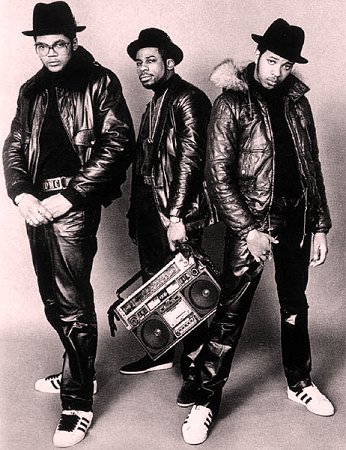
With this being the last song in the playlist I felt it was necessary to include the song "Roots, Rap, Reggae" by Run DMC. This song epitomizes everything about the reggae genre. To start, the song contains familiar reggae melodies and instruments that have become sonic indicators of the genre. This song also expresses where the genre has come from, the track does not do so directly but by repeating the word "roots," they are reinforcing the roots aspect of reggae music and how important it is to keep true to the genres base. Lastly this song expresses where the genre is going. This is evident by the simple fact that one of the most popular rap acts of all time is rapping about reggae and its connection with rap music. Run DMC was and is one of the most popular rap acts of all time and in America they are regarded as being groundbreaking and revolutionary. So when they pay homage to reggae music and how intertwined the genre is with the rising popularity of rap music, the listener and America realize how great an impact reggae has had on the American musical soundscapes. 


Interested In More Reggae?

Here are a couple great websites that have a lot more information about reggae music and the genre's history: